
Commercial Glass & Glazing
Insulated & Plate Glass
If a commercial window has gone cloudy or foggy between the panes, the glass isn't dirty — the seal has failed. Nu-Glass & Storefronts replaces failed insulated glass units (IGUs) and supplies plate glass for businesses across the Hudson Valley. Foggy-unit replacement is one of our most common commercial calls. We've replaced hundreds of IGUs in storefronts, office buildings, and retail suites across Orange, Ulster, and Dutchess Counties — owner Rick Powles on every job.
What We Do
- ✓ Insulated glass unit (IGU) replacement — for foggy, failed-seal units
- ✓ Plate glass — supply and replacement for large windows, display glass, and tabletops
- ✓ Low-E and energy-efficient glass — to cut heating and cooling costs
- ✓ Argon-filled units — restoring thermal insulation alongside the glass swap
- ✓ Tinted, obscure, and patterned glass — matched to existing where needed
- ✓ Safety-rated IGUs — tempered or laminated face lites for hazardous locations
Why your window fogs up — and what actually needs replacing
An insulated glass unit is two (sometimes three) panes of glass separated by a metal or structural foam spacer, with a sealed air gap between them — typically filled with argon gas for better thermal performance. Around the perimeter of the unit, a two-part seal system (primary and secondary sealant) keeps moisture out of that gap. When the seal fails, moisture gets in, and the result is the permanent fog, haze, or condensation pattern you see between the panes and can't clean off.
Here's the important part: a foggy unit does not mean you need a whole new window. The frame, sash, and hardware are almost always fine — it's the sealed glass unit inside them that has failed. We remove the old unit, clean the frame, and install a new IGU fabricated to the same dimensions. The window is clear, properly insulated, and performs correctly again. This saves you significantly over a full window replacement, as long as the frame is structurally sound.
The trigger for full window replacement is frame damage — a rotted wood frame, a corroded or bent aluminum sash, or frame seal failure that lets water into the wall. We tell you honestly which situation you're in. If the frame is good, we replace the glass. If the frame is the problem, we tell you that too.
Insulated glass unit components: what affects performance
Not all IGUs are equivalent, and the performance differences matter for energy costs and comfort in a commercial building. The key variables:
Number of lites. Standard commercial IGUs are double-pane (two lites). Triple-pane (three lites) are used in very cold climates or high-performance building envelopes. For Hudson Valley commercial applications, double-pane is typically the right specification.
Spacer type. The spacer separates the glass lites and holds the sealed air gap. Aluminum spacers are common and economical but thermally conductive — they create a "cold edge" near the perimeter of the window. Warm-edge spacers (foam, structural foam, or stainless steel with thermal break) reduce that edge conduction and improve the overall thermal performance of the unit, especially near the frame.
Gas fill. The air gap in most replacement IGUs is filled with argon, which conducts heat more slowly than air and improves the unit's center-of-glass U-value. Krypton is used in triple-pane units for even better performance. When we replace a foggy unit, we specify an argon-filled replacement as standard — the cost difference from air-filled is minimal and the performance benefit is real.
Low-E coating. A microscopically thin metallic oxide coating applied to one or more lite surfaces reduces radiant heat transfer through the glass. The result is lower solar heat gain in summer, less heat loss in winter, and reduced UV transmission. We discuss Low-E upgrade options on every IGU replacement project.
Low-E glass: worth it or marketing?
Low-emissivity (Low-E) glass has been a standard specification in commercial construction for over 20 years because it works — the question is whether the upgrade makes sense on a replacement job where you're already opening up the glazing.
Here's the practical math: a commercial storefront that faces south or west in a Hudson Valley summer is absorbing significant solar heat gain through clear glass. Low-E coatings are specified to block a portion of that radiant heat — the exact amount depends on the coating type (hard-coat or soft-coat Low-E) and which surface the coating is on. A well-specified Low-E unit can cut solar heat gain by 50% or more compared to clear glass, which directly reduces air conditioning load.
When you're replacing a failed IGU, the labor cost is already committed — we're opening the frame, removing the old unit, and installing the new one. Upgrading from clear glass to Low-E adds a modest premium to the glass cost itself. Over the life of the window, most commercial buildings recoup that cost through reduced HVAC energy use. We'll walk you through whether it makes sense for your building orientation and use, and we'll quote both options so the decision is yours.
For matching safety glazing requirements on the same project, see our tempered & laminated safety glass page.
Plate glass: applications, thickness, and what we supply
Plate glass — thick, polished, flat glass — is used for large storefront display windows, interior glass, display cases, heavy shelving, and protective tabletop glass. Unlike a storefront framing system where the glass is specified to work with the aluminum, plate glass is often cut to size and installed directly into a wood, steel, or masonry frame, or used as a horizontal surface.
The key decision on plate glass is thickness, which determines strength and deflection. For vertical glazing in a frame, glass thickness is selected based on the panel area and the wind load at the site — we can advise on the right thickness for the opening. For horizontal applications (tabletops and shelving), thickness is selected based on the span and expected load; unsupported glass shelving or tabletops at insufficient thickness will deflect noticeably and can fail.
Common thicknesses we supply and install:
- 3/16" (5 mm) — light shelving, small protective covers, picture glass
- 1/4" (6 mm) — standard for most small-to-medium vertical glazing, tabletop glass for light use
- 3/8" (10 mm) — large tabletops, heavier shelving, frameless partitions
- 1/2" (12 mm) and heavier — structural glass, heavy tabletops, frameless doors
We cut to your dimensions with polished or seamed edges as specified. For office glass partition systems using heavy tempered plate, see our office glass partitions page.
Matching existing glass in a repair or addition
One of the more technically demanding aspects of commercial IGU replacement is matching the existing glass on a building where only some units have failed. If six windows are clear and two have gone foggy, the two replacement units need to match the existing six in tint, Low-E coating, and overall appearance — or the facade looks inconsistent. This matters more than it might seem: a replacement unit with a different tint or reflectance is visually obvious, especially in raking light or from the interior.
We match existing glass by identifying the specification from the remaining clear units — looking for the manufacturer's sandblasted mark on the spacer or edge, identifying the tint from the glass edge color, and assessing the coating type from the reflectance and color cast. For standard commercial glass specifications, we can typically source a close or exact match. Where the original glass is a proprietary specification or an older product that's been discontinued, we advise on the closest available match and flag any visible difference before we order.
Part of our full commercial glass & glazing services — family-owned and Newburgh-based since 1989, serving Orange, Ulster, and Dutchess Counties.
Commercial vs. residential IGU replacement: what's different
The process for replacing a commercial IGU is similar to residential work, but the scale and access conditions are typically different. Commercial windows are often larger, heavier, and higher off the ground than residential units, requiring different handling and sometimes different access equipment. A large storefront IGU — say 4 feet by 8 feet in a heavy aluminum frame — weighs over 100 pounds and requires careful handling to avoid damaging the frame seals or injuring the crew.
We're set up for commercial-scale IGU work. We have the equipment to handle large, heavy units safely, and our crew is experienced with commercial framing systems that work differently from residential window frames. If you have multiple failed units across a commercial building — an office park, a retail center, or a multi-tenant building — we can scope the entire replacement job and schedule it efficiently to minimize disruption to tenants. We've handled IGU replacement programs across commercial properties in Orange, Ulster, and Dutchess Counties, and the project management side of coordinating with building management is something we do routinely.
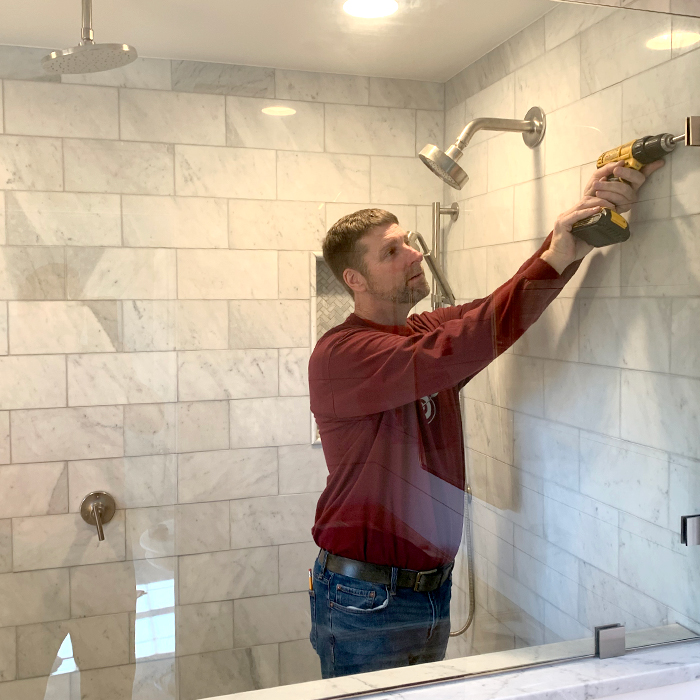
Written & verified by
Rick Powles
Owner & Operator, Nu-Glass & Storefronts, Inc.
Rick Powles has measured, fabricated, and installed commercial glass and glazing systems across the Hudson Valley since 1989. As owner-operator, he is on every job — storefronts, curtain wall, frameless showers, and everything in between.
FAQs
Frequently asked questions
-
Why is my commercial window foggy between the panes?
The perimeter seal on the insulated glass unit has failed, letting moisture into the sealed air gap. It can't be cleaned off because it's inside the unit — the glass unit needs to be replaced.
-
Do I need a whole new window, or just the glass?
Usually just the glass. The sealed insulated unit is replaced while the existing frame and sash stay — far less costly than a full window replacement, as long as the frame is sound and undamaged.
-
What is Low-E glass, and is it worth it?
Low-E glass has a thin metallic coating that reflects radiant heat and blocks UV, lowering energy bills and reducing interior fading. When you're already replacing a failed unit, the upgrade is a modest additional cost that typically pays back through reduced HVAC load over time.
-
How long does insulated glass replacement take?
IGUs are made to order, so fabrication typically runs one to three weeks depending on size, thickness, and coating. The on-site installation is quick once the unit arrives — usually a few hours per opening.
-
Can you match my existing glass in color and tint?
Yes — we identify the specification of your existing glass and source a matching replacement. For standard commercial specifications we can usually match exactly; for discontinued products we'll advise on the closest available match and flag any visible difference before ordering.
Get Started
Need insulated & plate glass?
Call the shop or request a free estimate — we'll measure, quote, and get it done right.